Installation Process of uPVC Windows in Melbourne's Climate
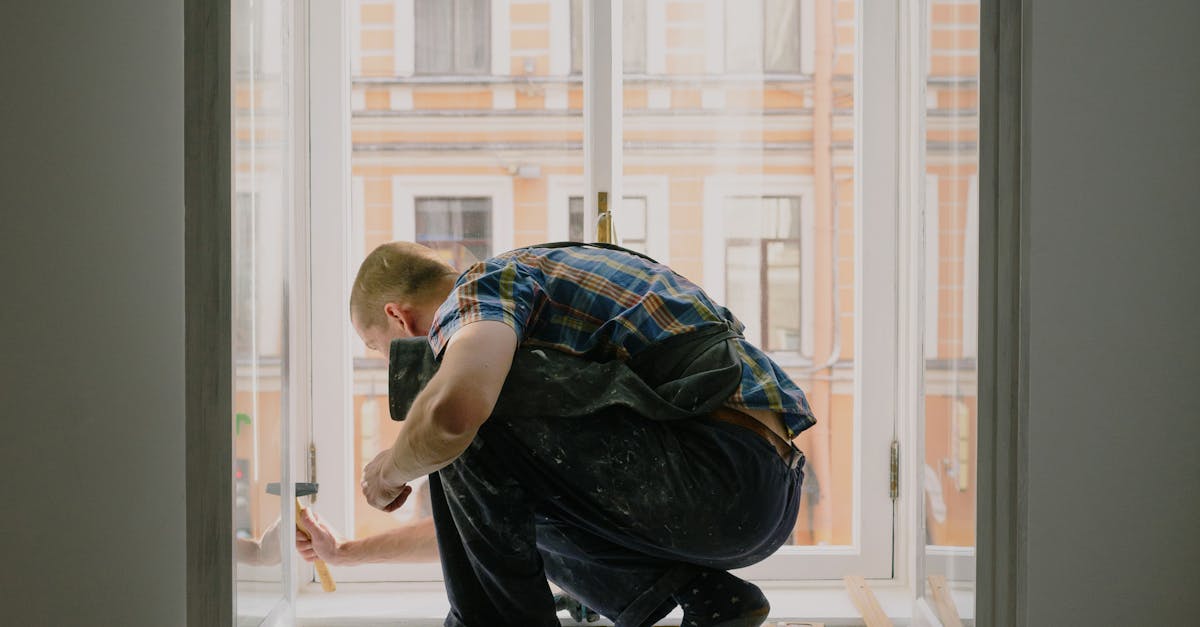
Table Of Contents
The Installation Process
Before beginning the installation, it's important to gather all necessary tools and materials. This includes measuring tape, a level, screws, and weather sealing tape. Carefully measure the window opening to ensure that the new uPVC window fits snugly. If the existing frame is in good condition, installation can proceed without replacing it. Any gaps should be filled with appropriate insulation to enhance energy efficiency.
The next step involves placing the window into the frame. It requires an even distribution of weight to avoid distortion. Use shims to adjust the fit, ensuring the window is plumb and level. Once the positioning is correct, secure the window with screws. After this, apply weather sealing tape around the perimeter for additional protection against the elements. Properly installing the window is crucial for performance, especially in Melbourne's variable climate.
Step-by-Step Guide to Installing uPVC Windows
The first step involves measuring the window opening accurately to ensure a proper fit. Use a level to confirm that the opening is plumb and square. Clear away any debris or old materials from the frame. Installing a uPVC window begins with placing the window into the opening, ensuring that it sits securely and is centred. Temporary fixings can be used to hold the window in place while adjustments are made.
Next, secure the window using screws or brackets, depending on the specific product guidelines. It's crucial to use the right type of fasteners for uPVC materials. Once the window is secured, apply a beading or trim where necessary, ensuring a neat finish. A weatherproof membrane may need to be added around the window frame to enhance insulation and prevent air or water leaks. The final step often includes adding silicone sealant around the edges for additional protection from the elements.
Ensuring Proper Sealing
Proper sealing is crucial in ensuring the longevity and efficiency of uPVC windows, especially in a climate like Melbourne's, which experiences a wide range of weather conditions. Sealing not only enhances energy efficiency but also prevents water ingress and drafts. It is imperative to use high-quality sealants specifically designed for uPVC installation. The right sealant creates a barrier against moisture while allowing the window to expand and contract with temperature fluctuations.
In addition to choosing suitable materials, the application process is equally important. A clean surface is vital for optimal adhesion. Any debris, dust, or old sealant should be removed before applying new sealant. After installation, checking for any gaps or inconsistencies ensures a comprehensive seal. Regular inspections will help identify potential issues early, reinforcing the need for diligent maintenance in ensuring the windows remain airtight and functional.
Importance of Weatherproofing
Proper weatherproofing is crucial for uPVC windows, especially in Melbourne’s variable climate. The ability to withstand harsh weather conditions not only enhances the longevity of the windows but also improves energy efficiency. Ensuring a tight seal prevents air and water ingress, which can lead to problems such as condensation, mould growth, and increased heating or cooling costs. A well-sealed window provides a more comfortable indoor environment, reducing reliance on climate control systems.
Incorporating effective weatherproofing techniques during installation can significantly impact the overall performance of uPVC windows. Techniques such as applying quality sealants and ensuring correct alignment with the frame create a robust barrier against the elements. Regularly checking and maintaining these seals is essential, as wear and tear can compromise their effectiveness over time. Taking these steps helps maintain not just the integrity of the windows, but also contributes to a more sustainable and energy-efficient home.
Maintenance Tips for uPVC Windows
Caring for uPVC windows is essential for ensuring their longevity and performance. Regular cleaning is a straightforward process that helps maintain their appearance. Use a gentle detergent mixed with warm water to wipe down the frames and glass. Avoid harsh chemicals, as these can damage the uPVC over time. It’s best to clean the windows at least twice a year, particularly in Melbourne's variable climate, to remove dirt and prevent any build-up that could affect their functionality.
Another important aspect of maintenance is checking the sealing and hardware. Inspect the weather seals for any signs of wear and tear, as these are vital for energy efficiency and preventing water ingress. Lubricating hinges and locks every few months keeps them operating smoothly. Addressing any minor issues promptly can prevent more extensive repairs or replacements down the line.
Regular Cleaning and Care
Maintaining the appearance and functionality of uPVC windows requires a simple yet effective cleaning routine. Regular dusting with a soft cloth helps prevent dirt build-up. For more stubborn stains, a mixture of warm water and mild detergent can be applied. It is essential to avoid harsh chemicals or abrasive materials, as these can damage the window surface.
In addition to cleaning, inspecting the seals and hinges periodically is crucial for long-term performance. Lubricating moving parts ensures smooth operation, while checking for any signs of wear can help identify potential issues early. Keeping the tracks free of debris contributes to functionality and prevents operational problems. These practices will help maintain the aesthetic appeal and efficiency of your windows.
FAQS
What are uPVC windows?
uPVC windows are made from unplasticised polyvinyl chloride, a durable and low-maintenance material that offers excellent insulation and weather resistance, making them suitable for various climates, including Melbourne's.
How long does the installation process of uPVC windows take?
The installation process typically takes a few hours to a full day, depending on the size and number of windows being installed, as well as the complexity of the project.
Why is proper sealing important for uPVC windows?
Proper sealing is crucial for preventing water and air leaks, ensuring energy efficiency, and protecting against mould and damage caused by the elements, particularly in Melbourne's varied climate.
How often should I clean my uPVC windows?
It is recommended to clean uPVC windows at least twice a year to maintain their appearance and functionality. Regular cleaning helps remove dirt, grime, and any potential build-up that could affect their performance.
Can I install uPVC windows myself?
While it is possible to install uPVC windows yourself, it is advisable to hire a professional to ensure proper installation, sealing, and weatherproofing, especially given the specific requirements of Melbourne's climate.
Related Links
How uPVC Windows Can Improve Your Workplace EnvironmentComparing uPVC Windows to Other Materials for Commercial Applications
The Durability of uPVC Windows in Melbourne's Weather Conditions
Energy Ratings Explained: uPVC Windows in Commercial Buildings
Cost-Effective Solutions: Why Choose uPVC Windows for Your Office
Sustainable Advantages of uPVC Windows for Commercial Use
Maintenance Tips for uPVC Windows in Commercial Settings